


ARABIAN SEA — Iranian Foreign Ministry spokesman Esmaeil Baghaei said on July 26 that several rounds of talks held in Tehran on Friday and Saturday between Iranian and Omani deputy foreign ministers produced progress on common principles and operational mechanisms for safe shipping through the Strait of Hormuz while respecting the sovereign rights of both coastal states.
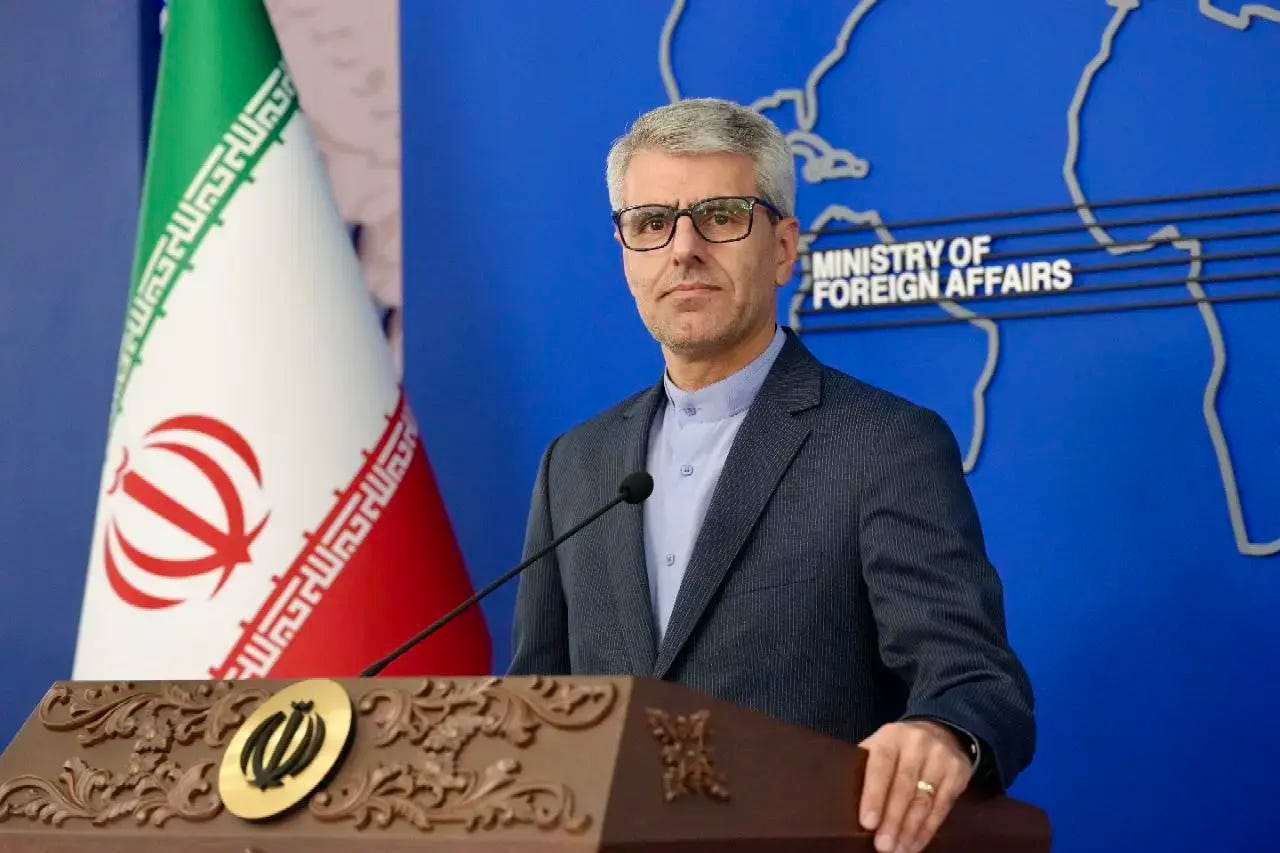


Baghaei described the discussions as useful, noted that the Omani delegation departed Tehran on Saturday evening, and said technical and political consultations continue. He emphasized that no change has occurred in the current maritime traffic situation in the strait.
The announcement came as the U.S. naval blockade of Iranian ports remains in full effect. As of the most recent U.S. Central Command update on July 25, forces had redirected 12 commercial vessels attempting to transit to or from Iranian ports or coastal areas, disabled 2 that did not comply, and boarded 2 to verify compliance.
On July 25, CENTCOM forces completed a verification boarding of the Comoros-flagged tanker M/T Charminar in the Arabian Sea; the vessel continued its journey.
On July 24, forces disabled the Mozambique-flagged tanker M/T Lavine in the Gulf of Oman after the crew attempted to violate the blockade multiple times and ignored repeated warnings; the ship is no longer transiting to Iran.
Progressive tallies released by CENTCOM recorded 7 redirected and 1 disabled as of July 20, 8 redirected and 1 disabled as of July 21, 9 redirected and 1 disabled as of July 22, 12 redirected and 1 disabled as of July 23, and the July 25 figures of 12 redirected, 2 disabled, and 2 boarded.