
MIDDLE EAST — Military tensions in Yemen’s eastern provinces of Hadramout and Al-Mahrah have intensified following advances by forces affiliated with the Southern Transitional Council, prompting Saudi Arabia to issue a condemnation and conduct airstrikes on December 26.
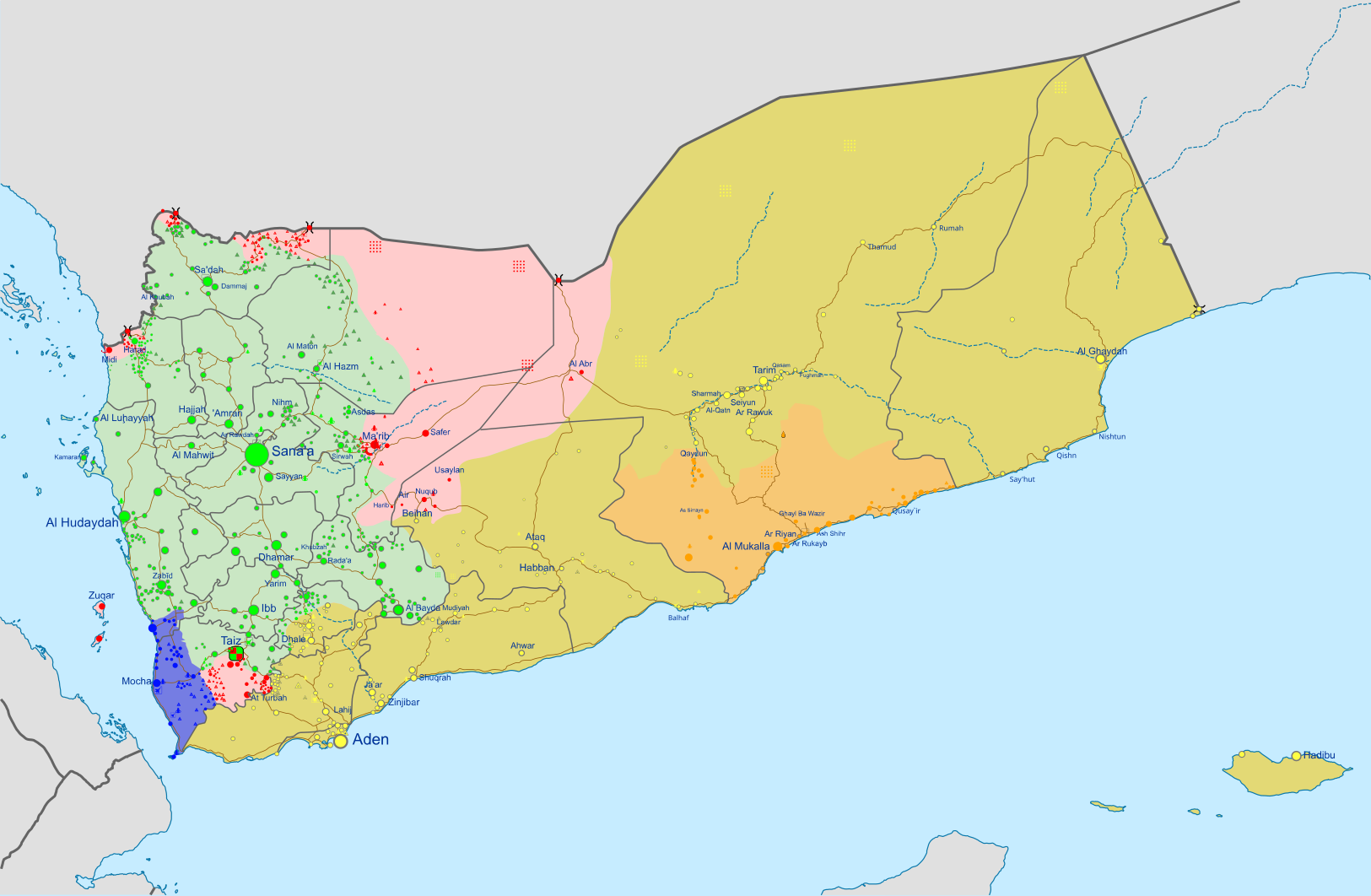


These events build on the council’s offensive initiated on December 2, which secured control over key sites in Hadramout, Yemen’s largest governorate with substantial oil reserves.
The Southern Transitional Council, estimated to have between 90,000 and 150,000 fighters based on international assessments, has expanded its influence in southern regions since 2018, challenging the unity of the Saudi-led coalition established in 2015 against Houthi forces.
International organizations indicate no confirmed casualties from the airstrikes, though they emphasize risks to regional stability.
The United Arab Emirates responded on December 26 with a statement supporting Saudi efforts, while the Yemeni government in Aden endorsed the Saudi position.
A separate humanitarian development occurred on December 23 with a prisoner exchange agreement facilitated in Muscat. This report details the sequence of actions, official positions, and strategic implications based on government and international data.
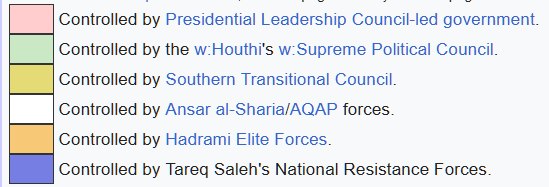
Featured Image Map Legend
Locations of Airstrikes in Recent Yemen Escalations
Government and military sources, including statements from the Kingdom of Saudi Arabia Ministry of Foreign Affairs and international monitoring reports, indicate that Saudi airstrikes targeted positions affiliated with the Southern Transitional Council in Yemen’s eastern Hadramout province.
These actions occurred on December 26 amid tensions over unilateral military movements. The strikes align with Saudi efforts to enforce coalition coordination, as detailed in official communications, without reported casualties or significant damage per verified assessments.
Wadi Nahab Camp, Ghayl bin Yameen District, Hadramout Province: Multiple airstrikes struck Southern Transitional Council positions here, confirmed through satellite observations and local security reports. Ghayl bin Yameen, located in central Hadramout, serves as a strategic area due to its proximity to oil infrastructure and transit routes. This site was recently seized by the council, prompting the response.
No additional locations were identified in authoritative sources for this specific incident. Projections based on historical patterns suggest a low to medium risk of recurrence in adjacent districts, though current data limits further specification.
Background on Yemen’s Civil War
Yemen’s civil war began in 2014 when Houthi forces, also known as Ansar Allah and designated as a terrorist organization by the United States and Saudi Arabia, seized control of the capital Sanaa.
This prompted the Saudi-led coalition to intervene in 2015 to restore the internationally recognized government, led by President Abdrabbuh Mansur Hadi until the formation of the Presidential Leadership Council in 2022.
The conflict has resulted in widespread fragmentation, with the Houthis controlling northern areas, the internationally recognized government holding sway in parts of the south and east, and various local militias operating in between.
United Nations assessments estimate 377,000 conflict-related deaths by early 2022, highlighting the severe humanitarian impact. The eastern provinces, including Hadramout and Al-Mahrah, had experienced relative stability compared to western battlefronts until recent developments.
Hadramout encompasses 30 percent of Yemen’s territory and produces up to 135,000 barrels of oil daily in government-controlled areas, making it economically vital. Al-Mahrah serves as a strategic border region with Oman, often used for transit.
Key Actors in the Conflict
The internationally recognized government of Yemen, represented by the Presidential Leadership Council since 2022, is the legitimate authority backed by the United Nations and the Saudi-led coalition.
It coordinates with forces such as the National Shield Forces, supported by Saudi Arabia, to maintain control over eastern and southern territories.
The Houthis, designated as a terrorist organization by the United States Department of State and other entities, control northern Yemen and are aligned with Iran, receiving military support as documented in coalition reports. They have engaged in cross-border attacks against Saudi Arabia and maritime disruptions in the Red Sea.
The Southern Transitional Council is a southern separatist group seeking independence for southern Yemen, with strong ties to the United Arab Emirates, which provides training and equipment per coalition agreements. The council’s forces number between 90,000 and 150,000, according to international military analyses.
The Saudi-led coalition includes Saudi Arabia, the United Arab Emirates, and other Gulf states, initially formed to counter Houthi advances. Internal divergences have emerged, with Saudi Arabia prioritizing national unity and the United Arab Emirates supporting southern autonomy.
