
WASHINGTON, D.C. — The New Strategic Arms Reduction Treaty (New START) expired on February 5, 2026, removing verifiable limits on U.S. and Russian strategic nuclear arsenals for the first time since 1972, with each previously capped at 1,550 deployed warheads and 700 delivery systems.
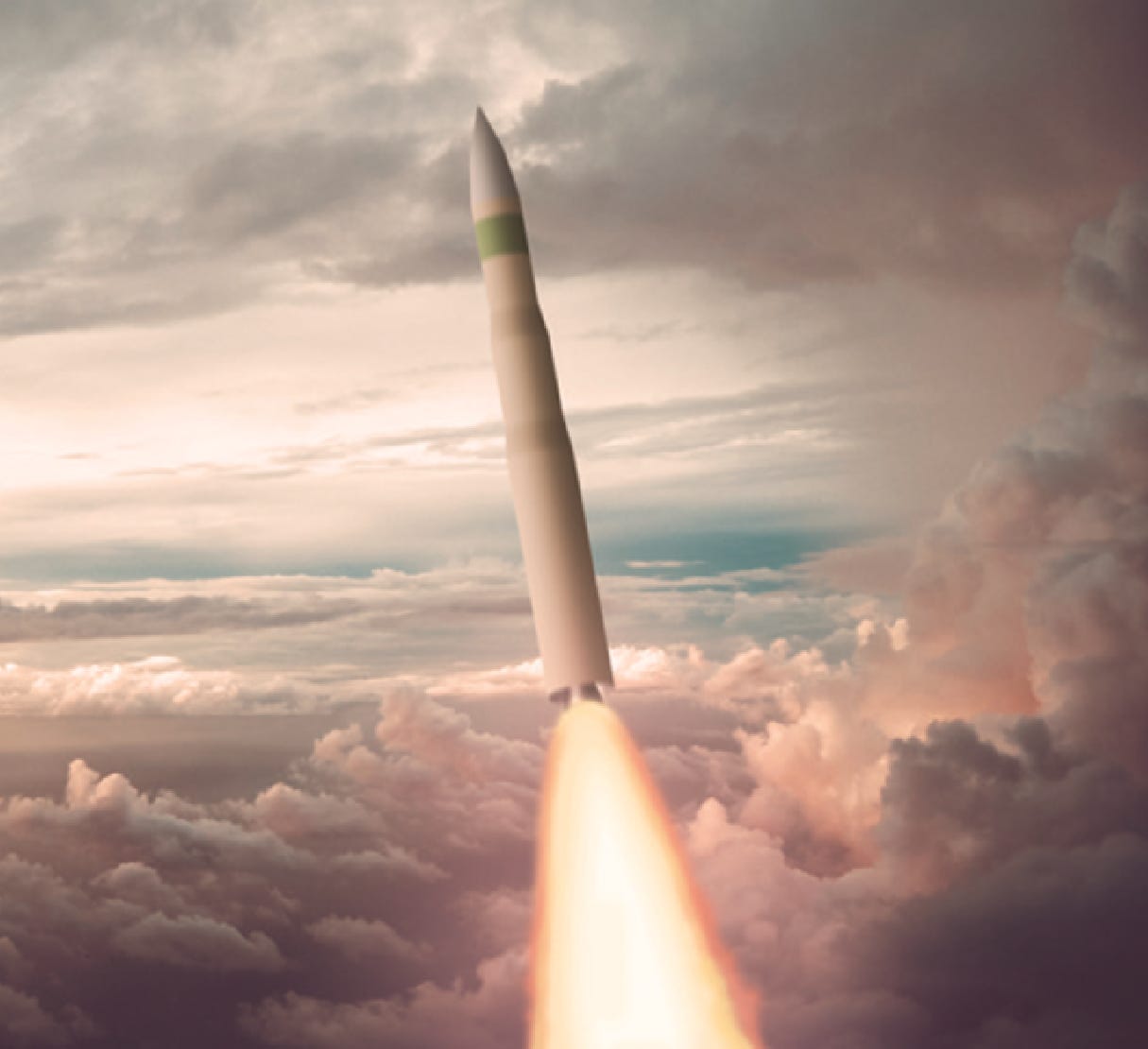


This development, alongside Russia’s 2023 suspension of implementation and China’s accelerated nuclear buildup from over 200 warheads in 2020 to more than 600 in 2026, has prompted the United States to advocate for a new multilateral arms control structure involving multiple nuclear peers.
Concurrently, Iran has prioritized the restoration of ballistic missile facilities damaged during the June 2025 12-Day War, with reconstruction at sites such as Parchin and Shahroud progressing more rapidly than efforts at nuclear facilities like Natanz and Fordow.
