WASHINGTON — On August 24 U.S. Central Command released a statement saying that its forces have redirected 71 commercial vessels, disabled 3, and boarded 2 while enforcing the blockade of Iranian ports. According to the statement over 40 vessels supporting humanitarian aid have been allowed to pass.


U.S. Treasury Secretary Scott Bessent said that day the Treasury had initiated Operation Economic Outcast against Iran and entities supporting it.
An Office of Foreign Assets Control recent-actions notice posted on August 24 records Iran-related designations and an Executive Order 13902 determination covering aviation, digital assets, gold, shipping, and technology.
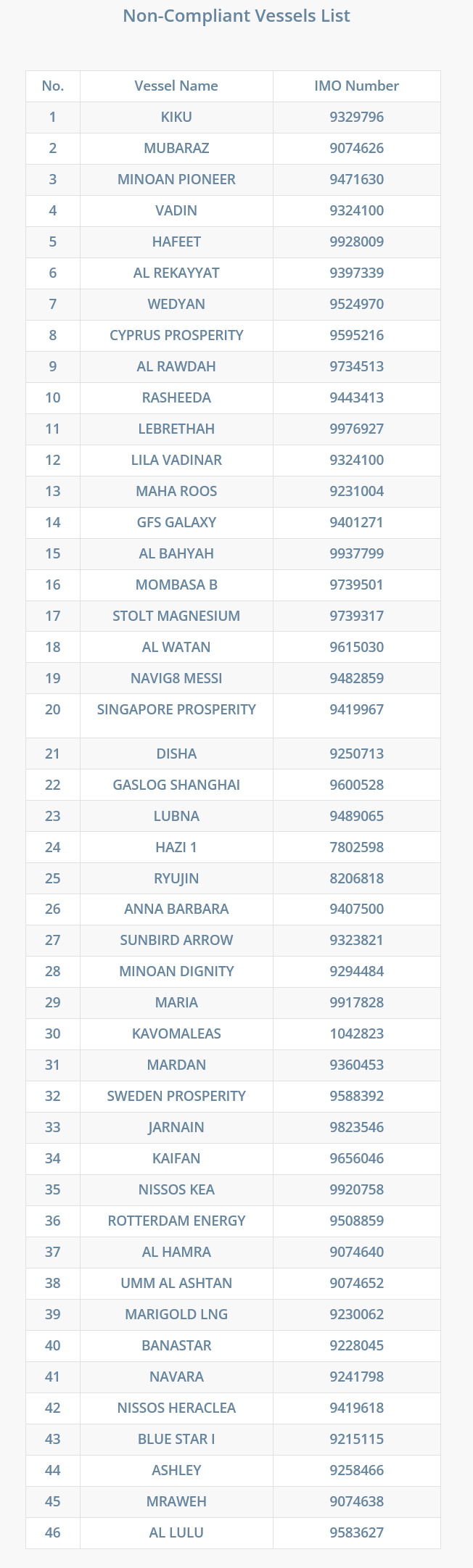
Iran’s Persian Gulf Strait Authority said the same week that vessels violating Iranian protocols for the Strait of Hormuz shall face restrictions on future passages, including fines, detention, or confiscation, and published a non-compliant vessels list.
On August 22, Mohsen Rezaei, secretary of Iran’s Supreme National Security Council, stated that the Strait of Hormuz is closed and will not reopen until the United States changes its behavior.
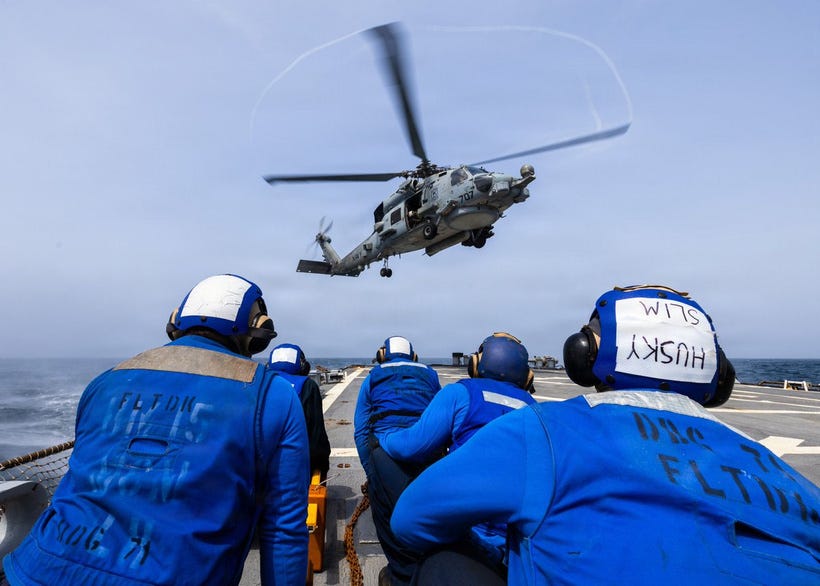
U.S. Energy Secretary Chris Wright and CENTCOM spokesman Capt. Tim Hawkins said that non-Iranian oil is still moving the strait under U.S. Navy support.
Also on August 24, the United Kingdom Maritime Trade Operations (UKMTO) posted a company-security report of a tanker struck by an unknown projectile 63 nautical miles, or 72 miles (117 km), west of Yanbu, with a main-deck fire. The warning said all crew were safe and that no environmental impact had been recorded.
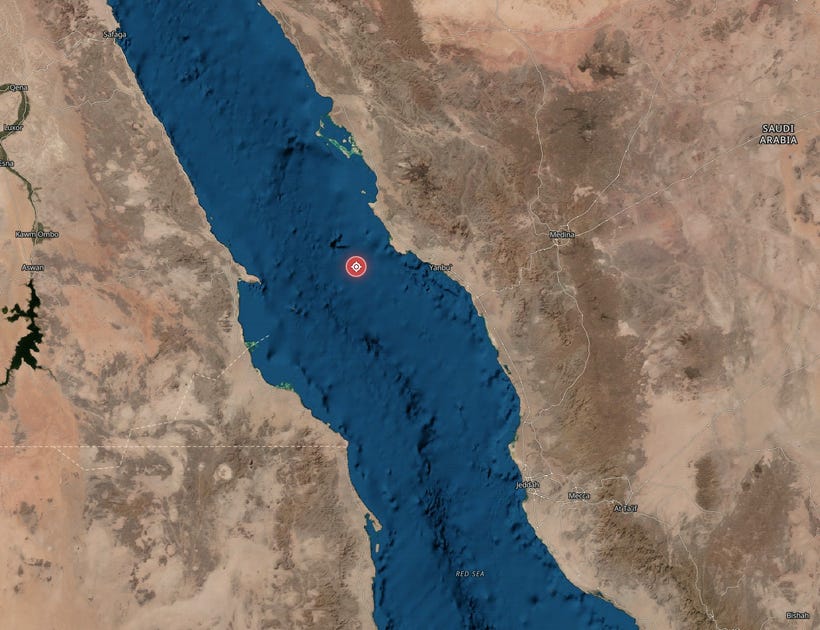
The National Shipping Company of Saudi Arabia, Bahri, later identified the ship as the Saudi-flagged crude tanker Amzan (IMO 9693745) and stated that the vessel was involved in a security-related incident in the Red Sea the same day, with all crew safe and no injuries listed.
