
MIDDLE EAST — United States Central Command forces, in coordination with the Syrian Ministry of Interior, conducted operations from November 24 to 27 that identified and eliminated more than 15 sites storing Islamic State of Iraq and Syria (ISIS) materiel across Rif Dimashq province in southern Syria.
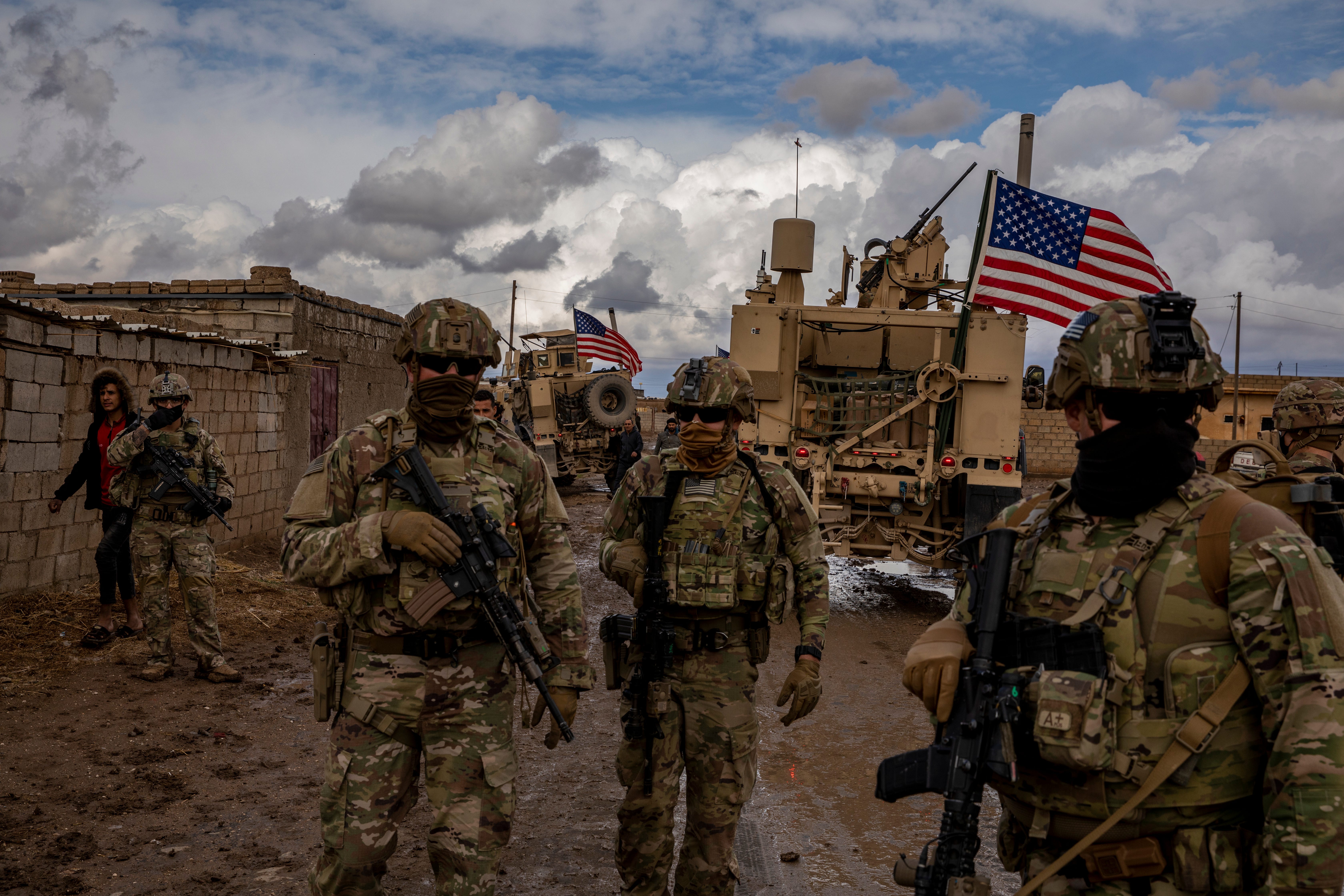


These actions targeted underground facilities and surface structures, employing precision airstrikes and controlled ground detonations to neutralize over 130 mortars and rockets, alongside assault rifles, machine guns, anti-tank mines, and components for improvised explosive devices.
Personnel also located and destroyed quantities of illicit narcotics during site clearances. This effort aligns with the broader mandate of Combined Joint Task Force–Operation Inherent Resolve to degrade ISIS operational capacity in Syria.
The operations unfolded in a region proximate to Damascus, approximately 20 miles (32 kilometers) east of the capital, where ISIS elements have maintained low-profile logistics networks since their territorial losses in 2019.
Intelligence derived from joint U.S.-Syrian assessments pinpointed these caches as potential enablers for dispersed ISIS cells conducting asymmetric attacks. Ground teams, supported by aerial over-watch, secured perimeters prior to detonations, minimizing collateral risks in sparsely populated rural zones.
No civilian casualties or infrastructure damage were reported in the immediate aftermath, consistent with protocols emphasizing precision targeting.
Operational Execution and Materiel Neutralization
The joint endeavor leveraged Combined Joint Task Force–Operation Inherent Resolve advisory elements embedded with Syrian Ministry of Interior units to conduct site reconnaissance and validation.
Initial intelligence collection identified subterranean bunkers and concealed surface depots housing small-arms stockpiles and unguided munitions suitable for improvised attacks.
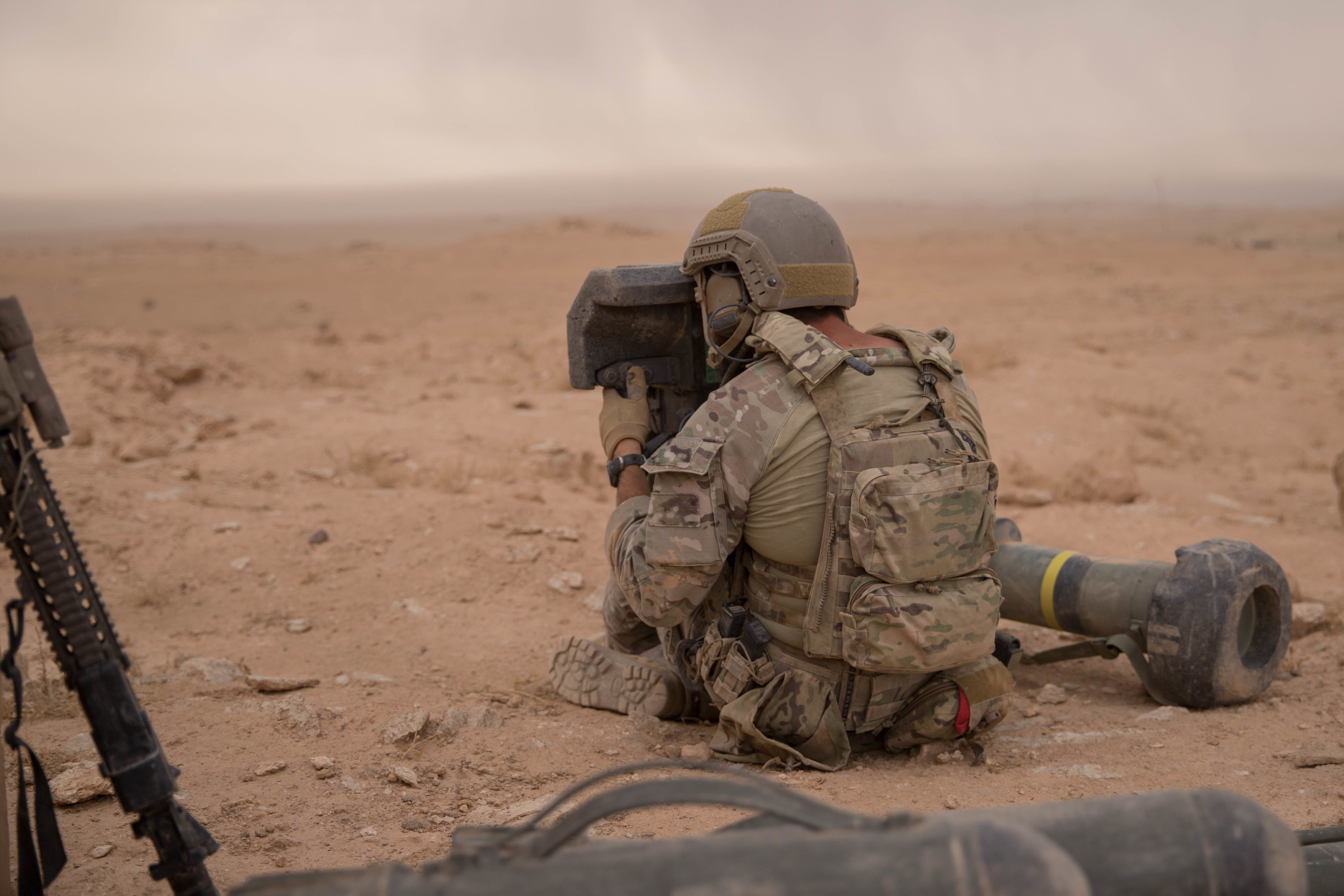
From November 24 onward, teams executed phased entries, confirming ISIS affiliation through captured documentation and markings on ordnance. Airstrikes, utilizing fixed-wing assets for initial suppression, preceded ground-based demolitions to ensure complete asset denial.
Over the four-day span, forces cataloged and rendered inoperable 130-plus 60mm and 82mm mortars, alongside Grad-style rocket tubes, PKM machine guns, AK-pattern rifles, and TM-62 anti-tank mines.
Explosive precursor chemicals, including ammonium nitrate mixtures, were similarly neutralized to disrupt local fabrication of vehicle-borne improvised explosive devices. Illicit substances, assessed as Captagon variants trafficked for funding, were incinerated on-site, severing a secondary revenue stream estimated at modest scale by prior coalition assessments.
This methodical approach reflects established tactics refined since Operation Inherent Resolve’s inception in 2014, prioritizing partner enablement over unilateral action. Syrian personnel led entry and clearance phases, with U.S. advisors providing signals intelligence and rules-of-engagement guidance.
Post-operation sweeps recovered minimal residual threats, indicating high efficacy in materiel denial.
