Defcon Alerts Threat Monitor

Defcon Alerts Threat Monitor

Mideast

U.S. Central Command Reports 38 Vessels Redirected Under Blockade of Iranian Ports, Iran Conditions Talks on End to Maritime Restrictions

U.S. Central Command reported that forces have directed 38 vessels to turn around or return to Iranian ports under the ongoing blockade.

Defcon Level's avatar
Donald Standeford's avatar
Defcon Level and Donald Standeford
Apr 28, 2026
∙ Paid

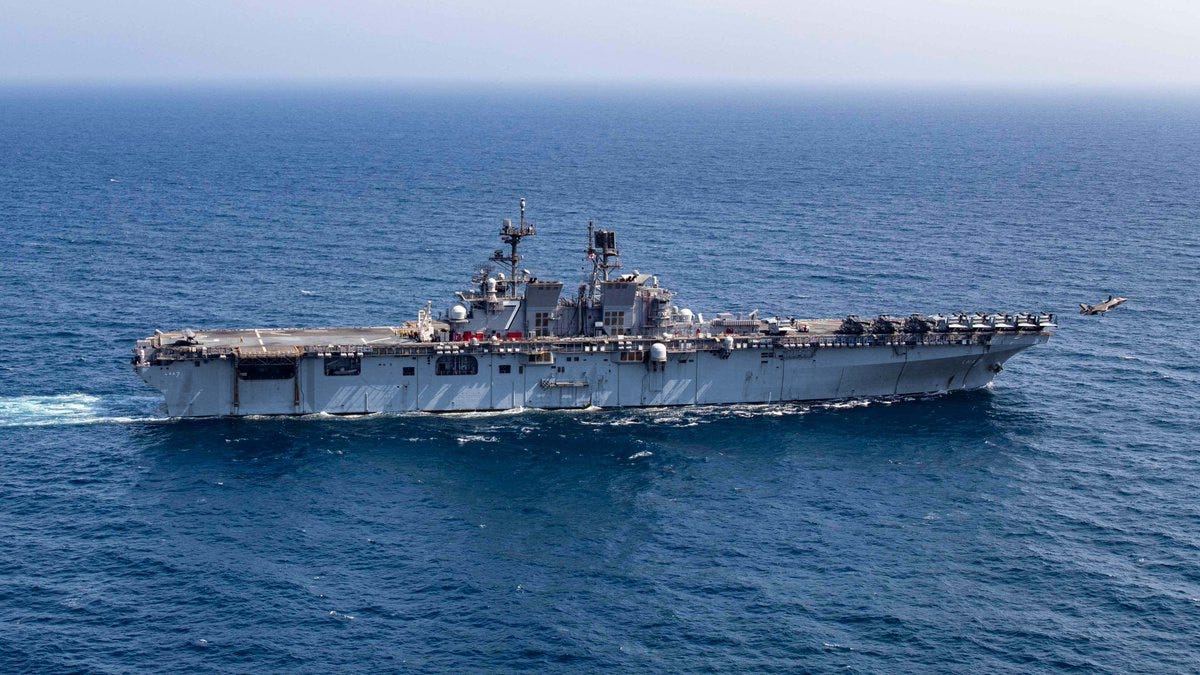
ARABIAN SEA — U.S. Central Command reported that forces have directed 38 vessels to turn around or return to Iranian ports under the ongoing blockade. This latest enforcement total comes amid active but stalled peace efforts.
Share

U.S. Central Command Deploys Three Carrier Strike Groups to Enforce Iranian Blockade as Israel-Lebanon Ceasefire Extended Three Weeks

U.S. Central Command Deploys Three Carrier Strike Groups to Enforce Iranian Blockade as Israel-Lebanon Ceasefire Extended Three Weeks

Defcon Level and Donald Standeford
·
Apr 24
Read full story
U.S. Forces Board Sanctioned Tanker M/T Majestic X Carrying Iranian Oil in Indian Ocean

U.S. Forces Board Sanctioned Tanker M/T Majestic X Carrying Iranian Oil in Indian Ocean

Defcon Level and Donald Standeford
·
Apr 23
Read full story
IRGC Gunboat Attacks and Seizes Two Commercial Vessels in Strait of Hormuz, U.S. Directs Citizens to Depart Iran as Airspace Partially Reopens

IRGC Gunboat Attacks and Seizes Two Commercial Vessels in Strait of Hormuz, U.S. Directs Citizens to Depart Iran as Airspace Partially Reopens

Defcon Level and Donald Standeford
·
Apr 22
Read full story

More Mideast Alerts

On April 26, Iran offered through Pakistani mediators to reopen the Strait of Hormuz and end the war while postponing nuclear negotiations to a later stage. Iranian Foreign Minister Abbas Araghchi met Russian President Vladimir Putin in St. Petersburg on April 27 to discuss the situation.

U.S. President Donald Trump said on April 27 that Iran can initiate further talks by phone if it wishes. He stated that his national security team is actively discussing Iran’s latest proposal to reopen the Strait of Hormuz.

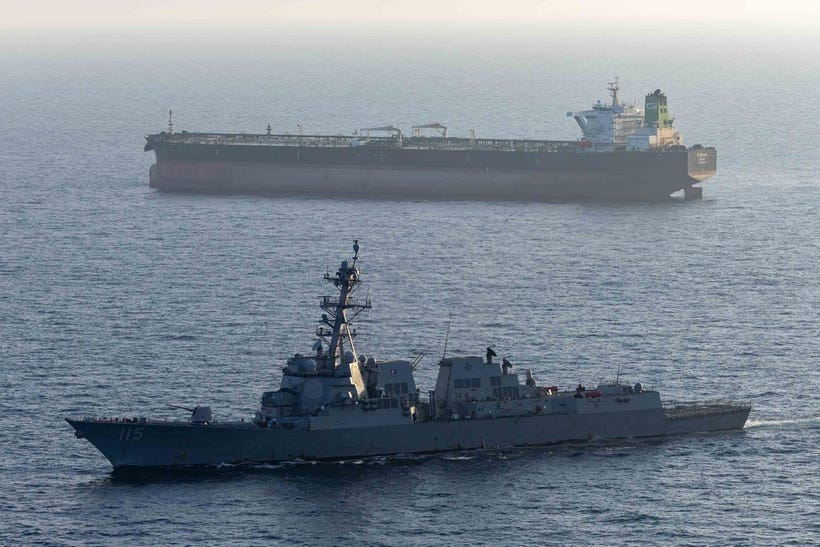
U.S. forces have maintained patrols and interdiction operations in the Arabian Sea and Gulf of Oman. The blockade targets vessels attempting to enter or depart Iranian ports and coastal areas. It does not impede freedom of navigation for vessels transiting the Strait of Hormuz to and from non-Iranian ports.
Refer a friend

The Central Command assessed on April 27 that American forces continue to enforce the measures with multiple ships and helicopters deployed.

Iran has said that it will not send a negotiating team to Islamabad for further discussions until the U.S. blockade ends.

On April 26, Iranian officials conveyed “red lines” (including nuclear issues and the Strait of Hormuz) through Pakistani mediators. They proposed a phased approach: first reopen the Strait and end the conflict, then address nuclear matters later.

Iranian officials have described the blockade as a violation of the existing ceasefire. They have set preconditions for any agreement, including the lifting of maritime restrictions, a new legal government over the Strait of Hormuz, war compensation, and guarantees against future U.S. attacks.

Latest Enforcement and Regional Maritime Security

This post is for paid subscribers

Already a paid subscriber? Sign in
Donald Standeford's avatar
A guest post by
Donald Standeford
Founder of The Standeford Journal. I'm an American independent investigative journalist, intel/geopolitical analyst, and world traveler.
Subscribe to Donald
© 2026 Defcon Level · Privacy ∙ Terms ∙ Collection notice
Start your SubstackGet the app
Substack is the home for great culture