
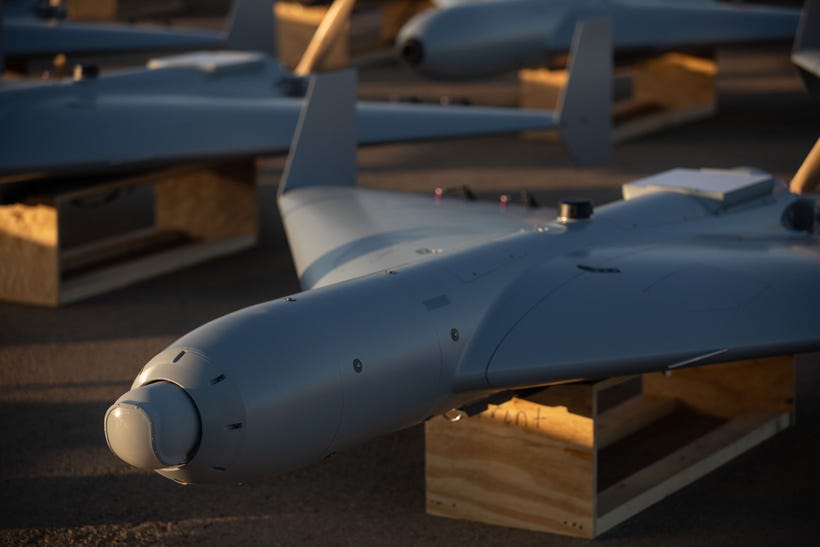
MIDDLE EAST — U.S. Central Command announced the deployment of Low-cost Unmanned Combat Attack System (LUCAS) drones, establishing Task Force Scorpion Strike (TFSS) to integrate these platforms into operational forces.
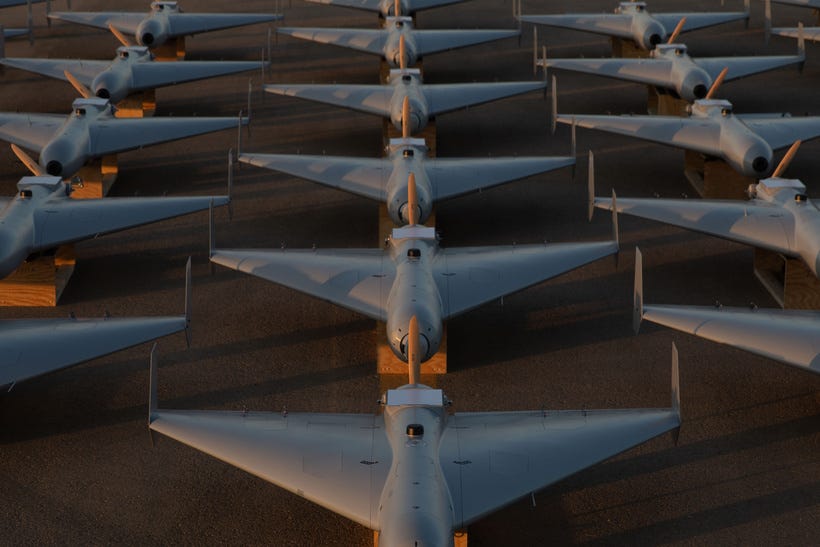


Positioned on November 23 at an undisclosed base in the command’s area of responsibility, the squadron addresses threats from Iranian-designed drones, including the Shahed-136, utilized by proxies such as the Houthis and Islamic Revolutionary Guard Corps-affiliated militias.
This deployment aligns with the broader Replicator initiative, launched in August 2023 to field thousands of attritable (low cost, reusable) autonomous systems, and the Drone Dominance Program, initiated under Secretary of War Pete Hegseth’s memorandum on July 10, aiming to procure over 300,000 unmanned systems by 2027 with a focus on low-cost, autonomous capabilities for deterrence.
The initiative occurs amid ongoing regional tensions, encompassing Houthi attacks on Red Sea shipping and Islamic Revolutionary Guard Corps support for asymmetric warfare, highlighting U.S. commitments to maritime security and counter-proliferation efforts.
The Low-cost Unmanned Combat Attack System drones facilitate autonomous one-way attacks with launch mechanisms including catapults and mobile systems. Official directives frame them as a scalable countermeasure to adversary drone swarms, enhancing access to effective, low-cost tools for operational personnel.
Admiral Brad Cooper, Central Command Commander, stated this new task force sets conditions for using innovation as a deterrent, underscoring their role in demonstrating U.S. military capabilities.
The deployment integrates with the Rapid Employment Joint Task Force, established in September, to accelerate emerging technologies across capability, software, and technical diplomacy domains. This framework supports rapid adaptation and deployment of systems like Low-cost Unmanned Combat Attack System in response to evolving threats.
This effort draws from exercises such as Red Sands, conducted in September, which evaluated 20 counter-drone systems against threats resembling the Shahed-136, fostering interoperability with allied forces.
The strategic emphasis counters Iran’s drone exports, which have equipped groups responsible for over 170 attacks on U.S. forces since October 2023, according to Department of Defense evaluations.
With an estimated 70-80% probability of targeting high-value Islamic Revolutionary Guard Corps assets based on operational patterns, the drones bolster broader counter-terrorism objectives, although precise mission parameters remain classified.
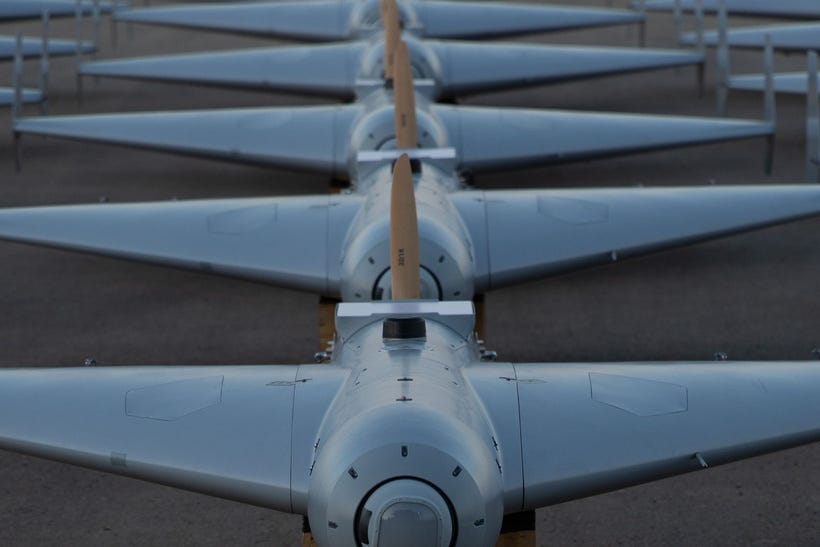
The integration of these systems reflects ongoing adaptations to asymmetric warfare dynamics in the region.
Historical precedents for Low-cost Unmanned Combat Attack System deployments originate from U.S. counter-unmanned aircraft systems programs, evolving from 2015 Naval Postgraduate School assessments of 50 autonomous drones to 2025 Marine Corps instruction on small-unit drone tactics.
These initiatives responded to early threats, including the 2019 Abqaiq-Khurais attack where Iranian drones struck Saudi facilities, prompting Department of Defense investments in low-cost countermeasures.
The Low-cost Unmanned Combat Attack System initiative extends this, adapting adversary designs for U.S. application to attain numerical superiority in asymmetric conflicts.
