
PERSIAN GULF / RED SEA / IRAN — At least 18 vessels have been struck in 17 separate attacks by Iranian weapons across the Persian Gulf, Strait of Hormuz, Gulf of Oman, and Iraqi territorial waters since Operation Epic Fury began on 28 February.
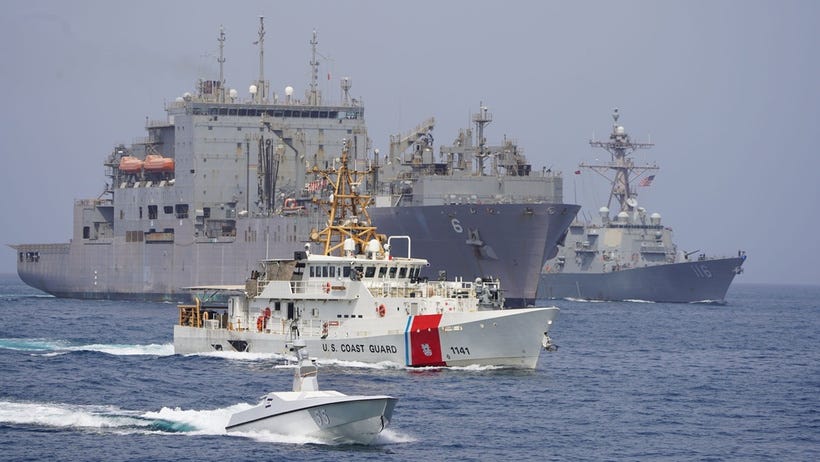


On 18 March, U.S. Central Command (CENTCOM) struck hardened Iranian anti-ship cruise missile installations along the Strait of Hormuz coastline using multiple 5,000-pound deep penetrator munitions, targeting the coastal infrastructure that enables Iran’s de facto maritime blockade.
Notes: Major updates to the website. New map is now implemented into the website directly. Continuing to make improvements. Improvements have been, and are being made to our tools across the board.
Commercial transit through the strait remains at approximately 97 percent below its pre-conflict baseline, with only 21 tankers transiting since the conflict began versus a pre-war average of more than 100 daily crossings, according to Windward maritime tracking data.
The geographic spread of attacks expanded from the Strait of Hormuz to the full breadth of the Arabian Gulf within the first two weeks. The latest verified attack, on the Kuwait-flagged LPG tanker Gas Al Ahmadiah on 17 March, extended the pattern of strikes on vessels anchored off Fujairah, outside the strait itself.
Situation at a Glance
Vessel attacks: 18 vessels struck in 17 verified attacks since 28 February across seven identified flag states. At least 16 crew killed or missing. Vessel types struck include tankers, bulk carriers, containerships, landing craft, salvage tugs, and LPG carriers. Approximately 22 vessels remain anchored in the strait awaiting confirmation for safe passage.
Hormuz status: CRITICAL. Only 21 tankers have transited since 28 February versus a pre-war average of 100+ daily. Five bulk carriers observed on 15 to 16 March routing through Iranian territorial waters, indicating selective permission-based transit. CENTCOM struck coastal anti-ship missile sites on 18 March.
Bab el-Mandeb: ELEVATED. Houthi threats resumed. No confirmed attacks since Epic Fury began. 122 transits during week two as Hormuz alternative.
Iranian retaliation: Shah gas field drone strike (16 March). Fujairah port attacked three times in four days. Al-Kharj, Saudi Arabia, struck by projectile, two killed. 1,800+ missiles and drones fired at the UAE since 28 February.
Strikes on Iran: CENTCOM reported 100+ Iranian naval vessels destroyed, including the entire conventional surface fleet. 2,000 targets struck in the first 100 hours. B-2 bombers destroyed 90 military targets on Kharg Island on 13 to 14 March.
Oil: Brent crude at approximately $102 per barrel as of 18 March, up more than 40 percent since 27 February.
Insurance: War risk premiums at 1 to 3 percent of hull value for Gulf transit, up from 0.25 percent pre-conflict. Daily VLCC charter rates more than doubled to a record $424,000, exceeding the 2008 peak.
Travel: U.S. Level 4 (Do Not Travel) for Iran and Iraq. Level 3 for nine additional countries including UAE, Qatar, Kuwait, Bahrain. Four U.S. embassies closed. 24 percent of Middle East flights canceled. Five national airspaces closed by NOTAM.
Maritime advisories: MARAD Advisory 2026-004 active (supersedes 2026-001A). UKMTO/JMIC threat level CRITICAL. Significant GNSS interference, spoofing, and jamming reported across the Gulf.
Ceasefire: Dead. Both sides have rejected diplomatic efforts. No off-ramp visible. Shipping resumption requires either a ceasefire or a sustained attack-free period to reset insurance underwriter risk models.
Assessment: The conflict has produced a near-total closure of the world’s most important oil chokepoint without a formal blockade declaration. Iran’s ability to sustain attacks across seven flag states and multiple vessel types, combined with the insurance market’s withdrawal of coverage, means that military escort alone cannot restore commercial traffic. Resumption requires not just security guarantees but a sustained attack-free period long enough to reset underwriter risk models; a timeline measured in weeks, not days.

