
PERSIAN GULF / GULF OF OMAN / ARABIAN SEA: Hundreds of vessels remain stranded on both sides of the Strait of Hormuz for a seventh consecutive day as of March 7, with at least 200 tankers, LNG carriers, and cargo ships anchored off Saudi Arabia, Iraq, and Qatar.
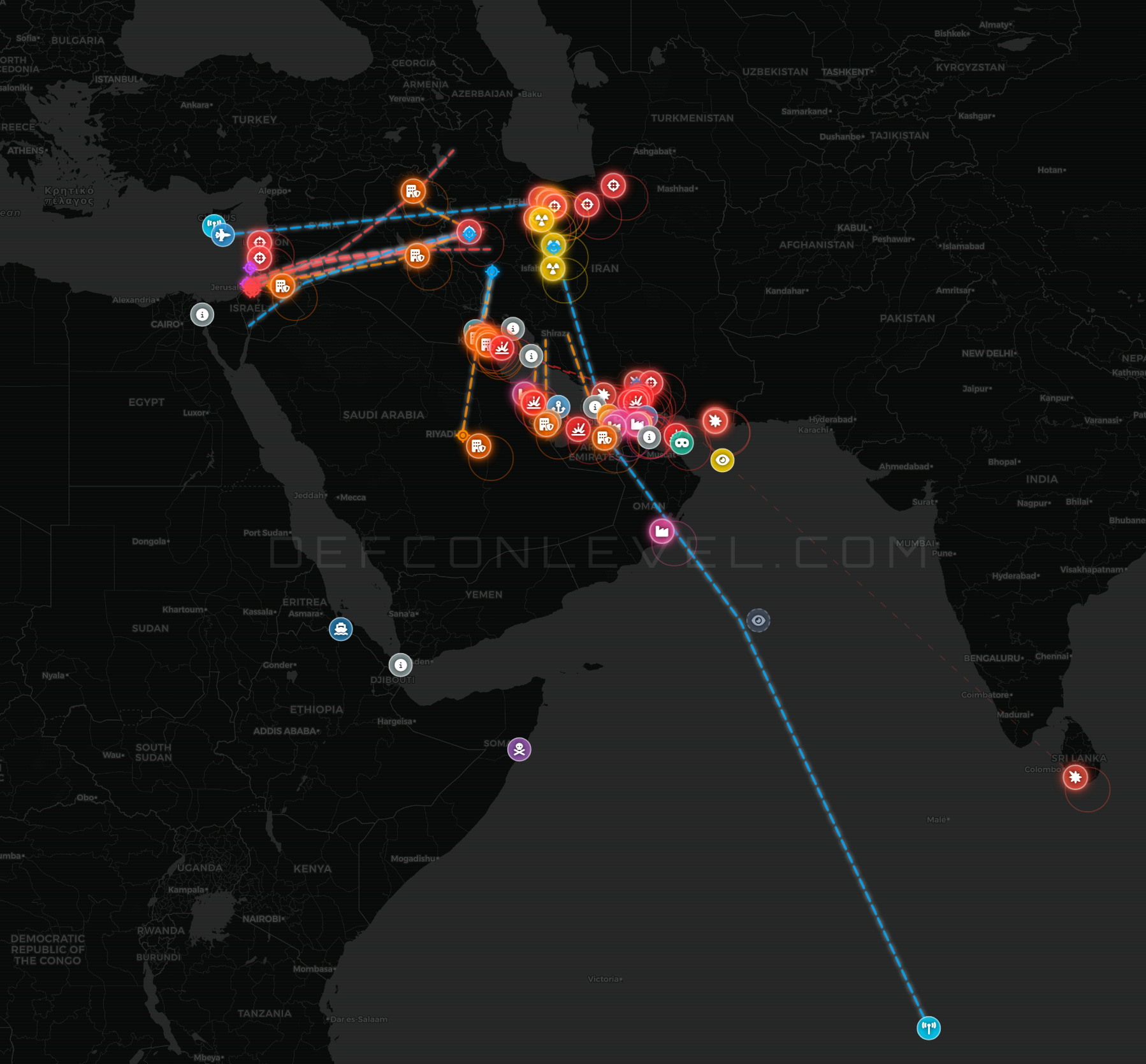


NATO Intercepts Iranian Missile Near Turkey; Commercial Vessel Attacks Escalate in Strait of Hormuz
A UAE salvage tug was struck by two missiles on March 6 while heading to assist a disabled container ship, with all 8 crew feared dead.
China is in talks with Iran to negotiate safe passage for oil and gas shipments through the strait, according to Israeli and Gulf diplomatic sources.
The Joint Maritime Information Centre (JMIC) threat level remains CRITICAL. MARAD Advisory 2026-001A, which was set to auto-expire March 7, has been updated and remains active.
At least 13 commercial vessels have been attacked, struck, or targeted across the Persian Gulf, Gulf of Oman, and UAE coastal waters since February 28, when the United States and Israel launched Operation Epic Fury against Iranian military infrastructure.
At least three crew members and one port worker have been killed across multiple vessel incidents, one worker was injured at Duqm Port, and eight more are feared dead on the salvage tug Mussafah 2.
Iran’s Islamic Revolutionary Guard Corps (IRGC) declared the strait closed on March 2 and threatened any vessel attempting transit. Daily Hormuz transits collapsed from an average of 138 (according to JMIC historical data) to 5 on March 4.
Leading maritime insurers have canceled war risk coverage for Persian Gulf transits. The insurance market, rather than the military threat alone, has shut down commercial traffic.
Very Large Crude Carrier (VLCC) freight rates hit an all-time high of $423,736 per day on March 3, up 94% from February 28.
Situation at a Glance
Vessels targeted: 13+ since February 28 (confirmed attacks with damage, near-misses, and suspicious approaches)
Maritime casualties: 4 confirmed killed (1 crew on MKD VYOM, 1 shipyard worker at Port of Bahrain, 2 crew on SKYLIGHT), 1 disputed (LCT AYEH: reported killed by some sources, hospitalized and stable by others), 8 feared dead (Mussafah 2 salvage tug), 1 worker injured at Duqm Port, 10+ injured across vessel incidents
Overall conflict casualties (as of Mar 6): 1,300+ Iranian killed (Red Crescent, Human Rights Activists in Iran); 6 U.S. service members killed (Shuaiba Port, Kuwait); 12 killed in Israel from Iranian missile/drone strikes (including 9 at Beit Shemesh); 217+ killed in Lebanon from Israeli strikes; 87+ killed in IRIS Dena torpedoing off Sri Lanka
Maritime Threat level: CRITICAL (JMIC): “attack considered almost certain”
Hormuz status: IRGC-declared closed; transits collapsed from 138/day to 5 on March 4, down to 2 on March 6 (94-99% reduction)
Stranded vessels: 200+ anchored off Gulf producers; some estimates cite 3,200 ships caught in Hormuz paralysis (Windward)
GNSS interference: 1,100+ vessels affected by GPS jamming; 44 injected signal zones and 92 denial areas across Persian Gulf
Insurance: War risk cover canceled by leading insurers; premiums had surged from 0.125% to 0.2%-1.0% of hull value
VLCC rates: All-time high $423,736/day on March 3 (up 94%)
Oil impact: Approximately 15 million barrels/day of crude removed from seaborne trade (one-third of global seaborne crude)
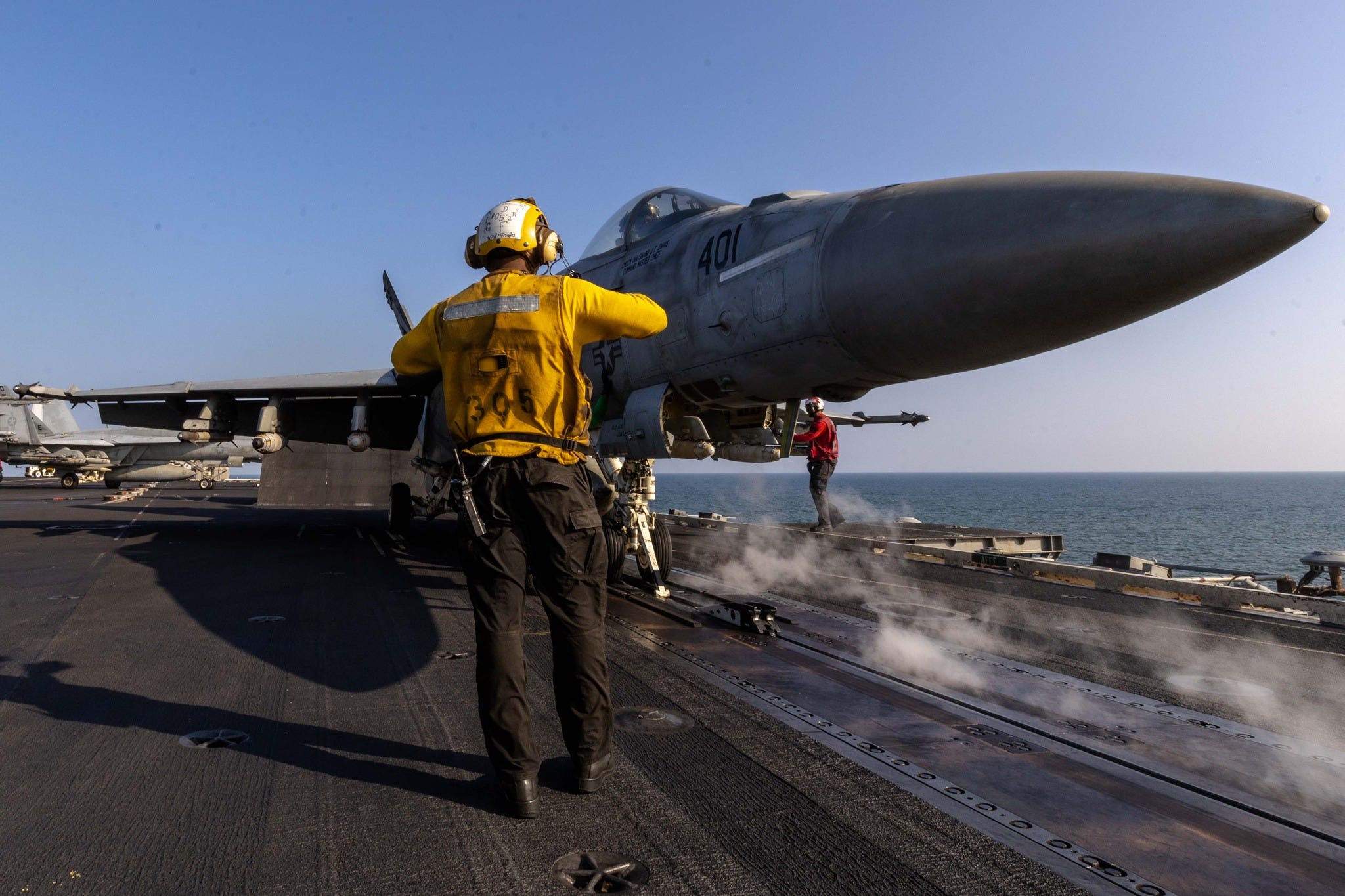
Iranian Navy: 30+ warships destroyed (Admiral Brad Cooper, CENTCOM, March 5; progressive count: 9 on March 1 according to President Trump, 20+ on March 3, 30+ on March 5), including IRIS Shahid Bagheri (41,000-ton drone carrier, first drone carrier combat loss in naval history)
Iranian missile/drone output: Iran fired 500+ ballistic and naval missiles and approximately 2,000 drones since February 28 (Admiral Brad Cooper, CENTCOM). By March 5, Iranian ballistic missile attacks had dropped approximately 90%, attributed to U.S. B-2 strikes on buried launchers and destruction of solid-fuel missile production facilities at Shahroud and Semnan
Gulf and regional base attacks: Iran struck U.S./allied bases across the Gulf, Jordan, and Saudi Arabia with missiles and drones. UAE absorbed 165 ballistic missiles, 2 cruise missiles, and 541 drones. Kuwait intercepted 97 ballistic missiles and 283 drones. Jordan intercepted 13 missiles and 36 drones targeting Muwaffaq Salti Air Base. Saudi Arabia intercepted three ballistic missiles targeting Prince Sultan Air Base on March 6. 6 U.S. soldiers killed at Shuaiba Port, Kuwait (March 1). Camp Arifjan SATCOM radomes destroyed. 3 U.S. F-15E Strike Eagles shot down over Kuwait by Kuwaiti F/A-18 in friendly fire incident (all 6 crew safe). Iraqi Shia militias (Kata’ib Hezbollah, Saraya Awliya al-Dam) launched drone/missile attacks on U.S. bases at Erbil and Baghdad
IRGC claimed hit on U.S. destroyer: IRGC announced Ghadr-380 and Talaieh missiles struck an Arleigh Burke-class destroyer in the Arabian Sea under “Operation True Promise 4.” Satellite imagery shows fire on a warship. U.S. Navy has NOT confirmed the hit. Assessment: UNVERIFIED
Lebanon front: Hezbollah entered the war on March 2, firing 210+ missiles into Israel (UNIFIL, as of March 5). Israel struck Beirut’s Dahiyeh, killing Hezbollah intelligence chief Hussein Makled and 217+ in Lebanon. IDF ground forces entered southern Lebanon on March 3. UN peacekeepers under fire: 2 Ghanaian soldiers critically injured March 6 (Ghana Armed Forces)
Active advisories: MARAD 2026-001A (Hormuz/Gulf, updated March 7), MARAD 2026-001 (Iranian Illegal Boarding/Detention/Seizure), 4 UKMTO advisories (March 1-4), MARAD 2025-012 (Red Sea)
Diplomatic: China reportedly negotiating with Iran for safe passage of oil/gas shipments through Hormuz
