


PYONGYANG — North Korea conducted a test-fire of a new-type high-altitude long-range anti-air missile on December 24 in the East Sea of Korea, according to North Korean state-run media KCNA, with the missiles reportedly hitting mock targets at an altitude of 200 kilometers. North Korean leader Kim Jong Un observed the test-fire.
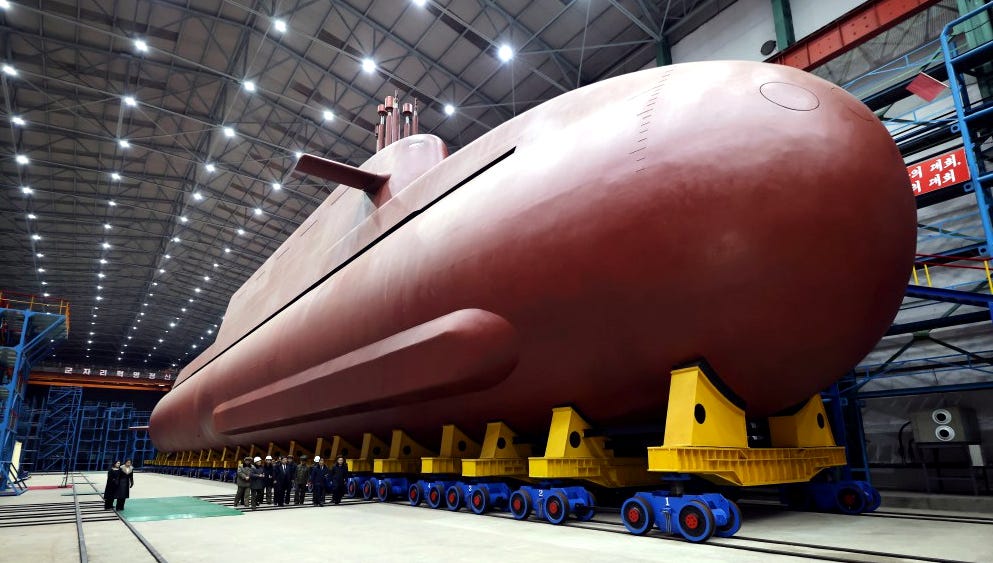


The following day, December 25, Kim Jong Un inspected the ongoing construction of an 8,700-ton nuclear-powered strategic guided missile submarine at a warship-building facility, according to KCNA.
Pyongyang To US Nuclear Submarine Deployments In South Korea, South Korean Prosecutors Claim Former President Sought Military Confrontation With North
These developments occur against a backdrop of statements from a spokesperson for North Korea’s Ministry of National Defense regarding United States nuclear submarine deployments in South Korea.
South Korean prosecutors announced on December 15 that former South Korean President Yoon Suk Yeol sought a military confrontation with North Korea in 2024 to justify imposing martial law, though the plan reportedly failed, according to investigations into Yoon’s brief imposition of martial law.
Official sources from the South Korean government have not issued additional statements on this matter in the provided data. Analyses from international security think tanks note potential implications for inter-Korean relations and domestic stability.
Anti-Air Missile Test-Fire
North Korea’s Missile Administration executed a test-fire of a new-type high-altitude long-range anti-air missile on December 24 in the East Sea of Korea, according to KCNA.
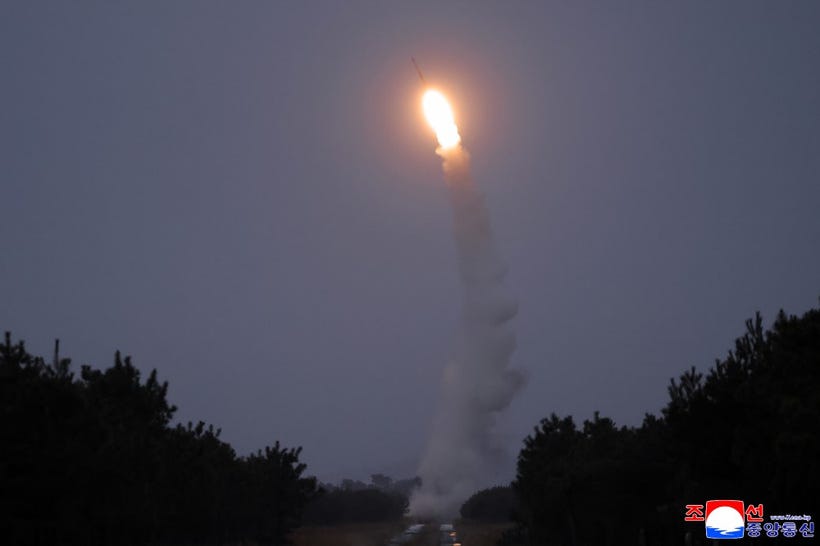
This marked the first test-fire aimed at estimating the tactical and technical features of the system in development. The launched missiles reportedly hit mock targets at an altitude of 200 kilometers. North Korean leader Kim Jong Un observed the test-fire. He extended congratulations on the successful test-fire to the participants.
This activity forms part of routine efforts by the Missile Administration and affiliated anti-aircraft weapon system research institutes for technical optimization of the national anti-air defense system, as described by KCNA.
The test is described as routine and not directed at any specific entity. Government sources from the United States and South Korea have not issued direct statements on this specific test, based on available data.
Academic analyses from international security think tanks note that such tests contribute to North Korea’s layered air defense architecture, potentially complicating aerial operations in the region.
Projections based on historical patterns indicate that further tests may occur to refine guidance and propulsion systems, with possible integration into coastal defense networks. Data from previous launches suggest a focus on extended range and altitude to counter high-altitude threats.
International organizations, including the United Nations, monitor these activities for compliance with resolutions restricting ballistic missile technology development.
