


SOUTHEAST ASIA — On December 27, Thai and Cambodian defense officials signed a joint statement establishing an immediate ceasefire effective at noon local time, freezing troop positions along their shared border, and committing to de-escalation measures amid ongoing tensions.
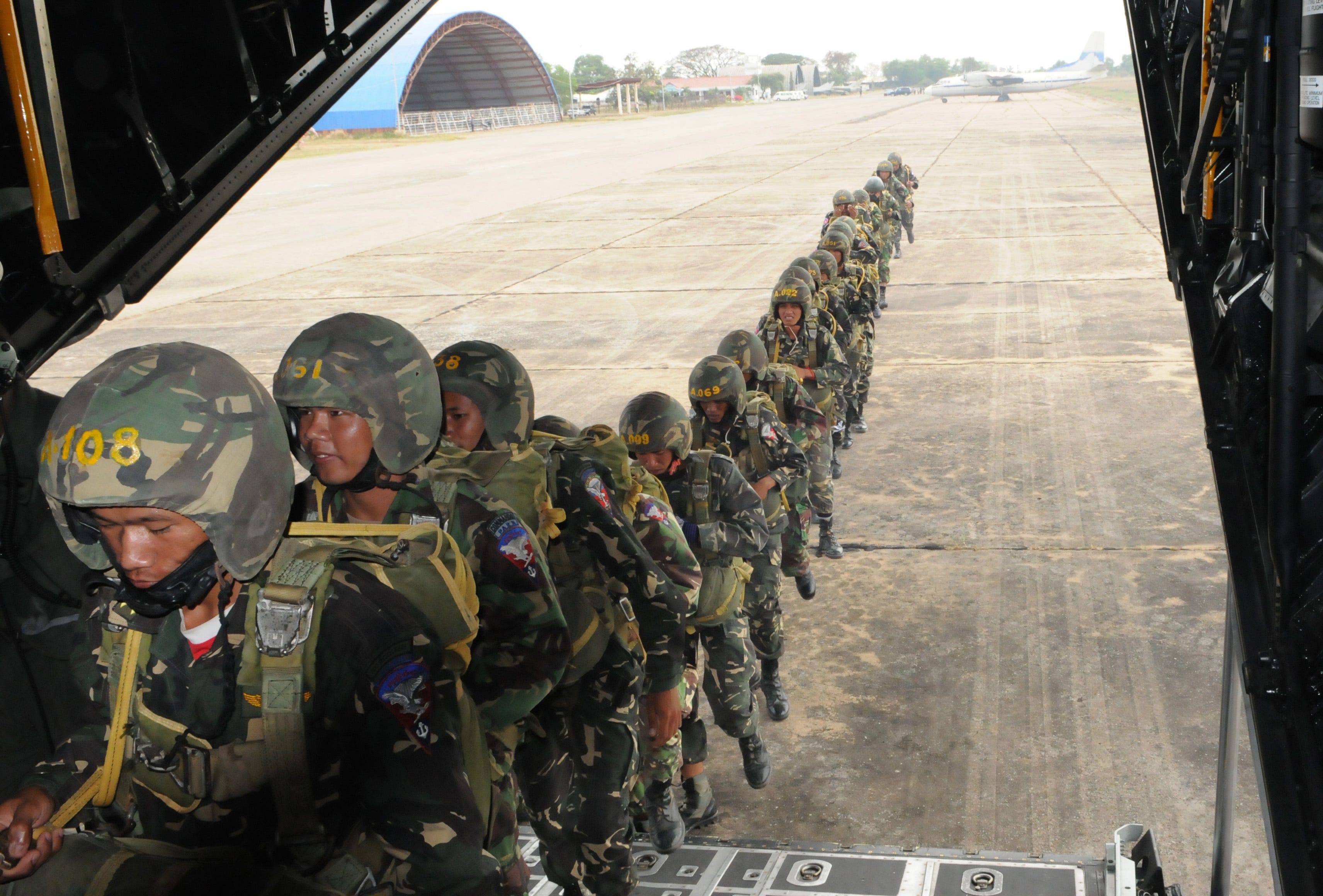


The agreement, reached during the third Special General Border Committee meeting at the Prum–Ban Pak Kard border checkpoint, aims to halt all forms of aggression, including attacks on civilians and infrastructure, while facilitating the safe return of displaced residents.
Co-chaired by Cambodian Deputy Prime Minister and Minister of National Defense Tea Seiha and Thai Defense Minister Nattapon Nakpanich, the meeting occurred under observation by an ASEAN team, reflecting regional efforts to mediate the dispute.
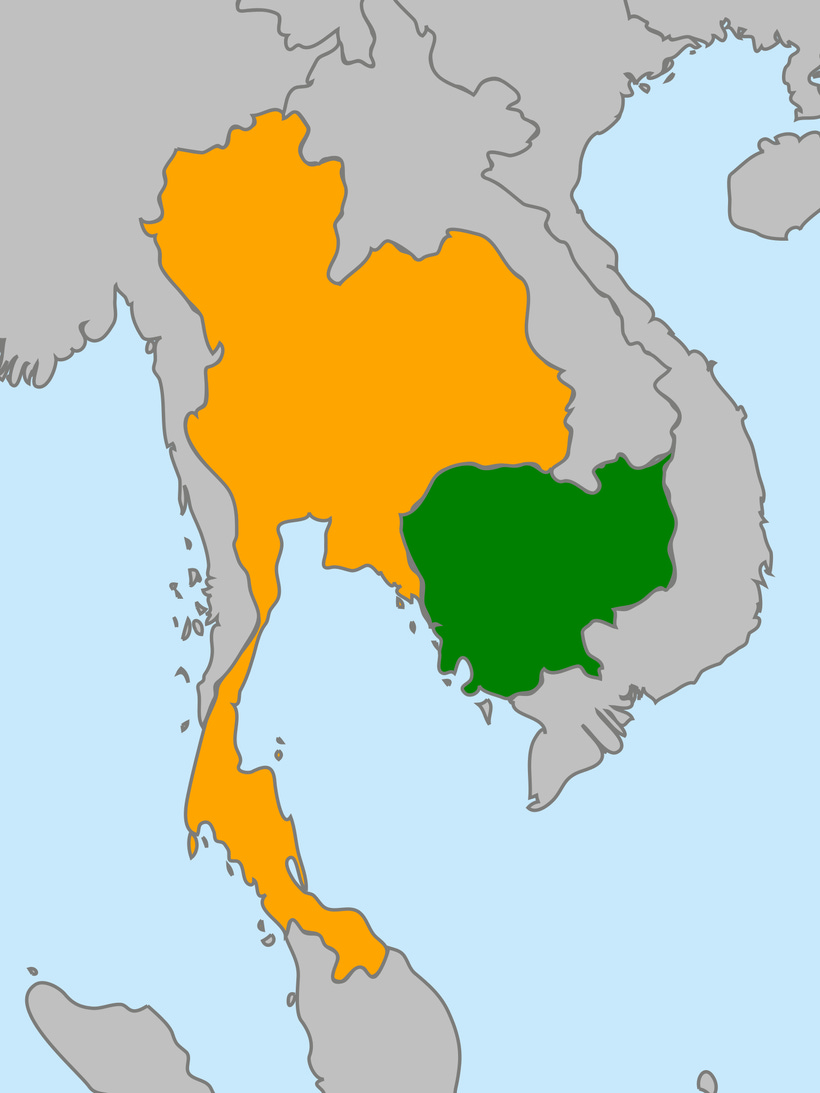
This development follows weeks of sporadic clashes that displaced hundreds of thousands to over one million people and resulted in dozens to over 80 casualties, underscoring the urgency of diplomatic intervention.
The statement emphasizes adherence to international law, mutual respect for sovereignty, and the establishment of coordination mechanisms to prevent future incidents.
The ceasefire agreement represents a critical step toward stabilizing the Thai-Cambodian border, a region historically prone to disputes over territorial claims and resource management.
Official sources indicate that both nations have reaffirmed their commitment to prior arrangements, including the July 28, 2023, ceasefire and subsequent joint meetings, which laid the groundwork for today’s accord.
The inclusion of an ASEAN observer team highlights the organization’s role in facilitating dialogue, as evidenced by its participation in monitoring implementation over the initial 72 hours.