
LATIN AMERICA — On December 20, the United States Coast Guard, supported by the Department of War, conducted a pre-dawn operation to board and apprehend the Panama-flagged oil tanker Centuries in international waters east of Barbados in the Caribbean Sea.
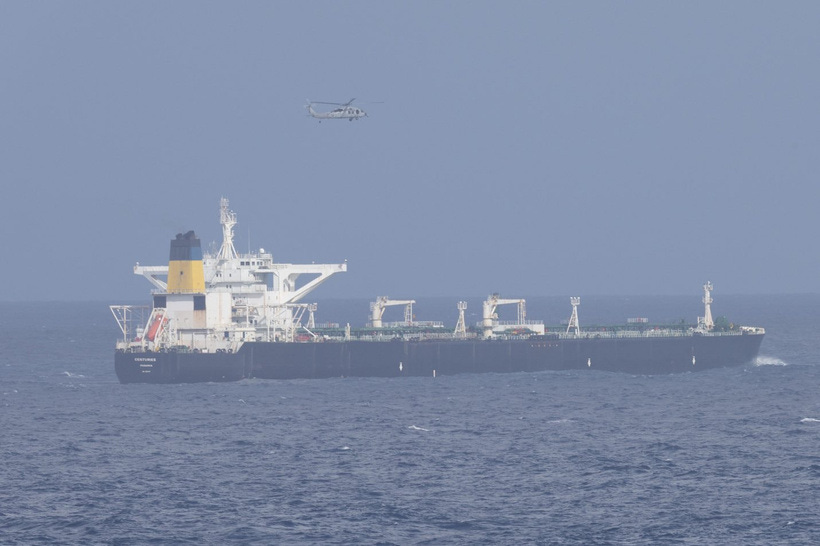


The vessel had recently loaded crude oil in Venezuela and was en route to Asian markets. This operation marks the second such interdiction in December, following the seizure of a sanctioned tanker earlier in the month. It aligns with announced U.S. measures targeting vessels associated with Venezuelan oil exports.
Vessel Ownership and Cargo Clarification
Available tracking data indicates links to entities registered in Hong Kong, consistent with patterns observed in vessels transporting Venezuelan crude to Asian markets, including Chinese refiners.
The cargo, approximately 1.8 million barrels of Merey crude, was purchased by a trading entity supplying Chinese independent refineries.
This ownership structure aligns with common practices in shadow fleet operations, where vessels use flags of convenience and intermediary entities to facilitate trade in sanctioned or restricted commodities. Panama remains a frequent flag state for such tankers due to registry policies.
No verified information connects this vessel or its cargo to rare earth metals or critical minerals. The load consisted exclusively of Venezuelan crude oil, with no indications of mineral transport in public records or operational details.
Venezuela maintains deposits of coltan and certain rare earth elements, primarily in southern regions. Exports of these materials, when occurring, typically involve distinct channels such as overland routes or specialized mining operations rather than bulk crude oil tankers.
This clarification addresses observations regarding potential Chinese interests in the vessel’s operations, while confirming the cargo composition based on corroborated shipping and operational data.
